
DulalDulal
  • About Us
  • Current Jobs
  • Areas of Intervention
    • Human Resource Development
    • Sustainable Agriculture
    • Waste-land Reclamation-“Odisha Badi”
    • Health & Education
    • Alternate IGP
    • Advocacy & Networking
  • Image Gallery
  • Media Coverage
  • Contact

Sustainable Agriculture

Home Sustainable Agriculture

Almost 80% of the cultivated area in Odisha is rain fed irrigated. Can the mechanisms of farm inputs and seed varieties supplied from outside be well adapted to the conditions of the soil and the climate or does it lay demand on extra care and protection? How far will these help the marginalised farmers who hold small pieces of land in mostly undulated and up hill areas? The monocropping of Paddy and Wheat brought about by Green Revolution did not really usher a change in these remote agriculture based tribal villages in Mayurbhanj.

Our intervention processes and development projects are addressing these and the really poor in the slot. Realising that farming to be successful has to start with the farmer and be localised in approach. Our approaches for improving land fertility and water harvesting techniques are low cost and simple so that the poorest of poor farmer can be benefited.

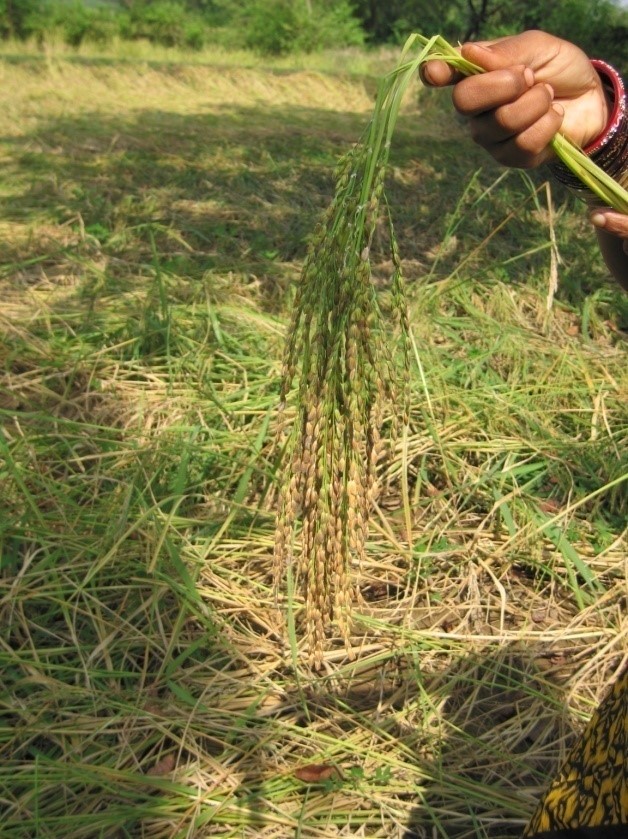
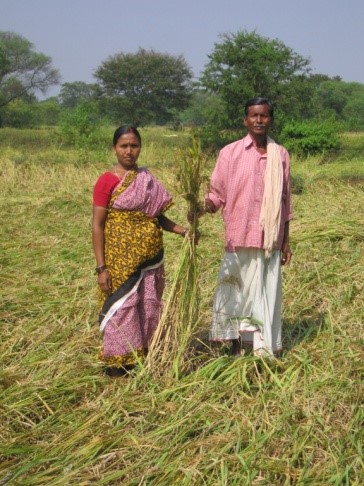
Farmers in the community have begun to take the lead through farmer to farmer exchanges. Farmer to farmer exchanges are facilitating the exchange of information in and outside of villages. These exchanges have facilitated on the rediscovery of the local seed availability in each village, the seeds that are lost, the type of cultivation of a farmer, the sharing of the agricultural problems and issues. The meetings are different in that the farmers need to find solutions to the problems they have stated. Thus to combat the dissatisfaction on HYV bought from shops, the use of chemical fertilizers, low production and to regain lost diverse food habits; a heated mission among the farmers have begun to find the best quality local seed, slowly shift to totally organic cultivation, reintroduce millets and other food types and many other activities to regain control over agriculture. Millet cultivation in some of the working areas has been revived after a gap of 20 years! These farmer-to-farmer exchanges and proceedings of farmer camps are continuing at regular intervals at village and block level in all the working areas of Dulal.
By now, the farmers are working on how they can add momentum to this farmer led agriculture development scenario through community awareness and adding more leaders into the movement. On individual basis they have come up with their own plans in experimenting to find out the best-adapted traditional variety paddy seeds and vegetable seeds in the area.

The farmers themselves are the trainers and in the farmer-to-farmer exchange meetings, the farmers exchange seeds that they find are of good quality, taste and good yield.

The activities and festivals that are carried out by the Parampariko Krushak Sangho/ Farmers’ Movement are as follows:

  • Community Grain banks for ensuring food security. (Initiated by the women SHGs as they were the ones who cooked food getting enough grain for the home was their first priority and they evolved the solution themselves.)
  • Community seed banks for ensuring seed supply of traditional varieties. (Evolved by farmers groups as they wanted to stock seeds for each season and also get different varieties through exchange among the group members).
  • Identification of traditional paddy seeds existing in the villages and identifying the varieties lost so that efforts can be made to collect them from other villages. (About 172 varieties identified).
  • Identification of 148 herbal medicinal plants in the locality with the help of Khabirajs and identification of 42 endangered and rare varieties. Exchange between Khabirajs and women groups in promotional cultivation of rare herbs as IGP on going. (This stemmed from the need of Khabirajs for herbal raw materials and the need and trust of the community on traditional herbal medicinal practice. Dulal has facilitated the coming together and discussions.)
  • After sharing of different cultivation techniques farmers visit other farmer’s fields where they would like to observe the method of cultivation and its outcome. Ex: Fields with traditional seed variety with good yield using only farm yard manure.
  • Seed exchange and campaigns on seed/ food sovereignty, food diversity in Annual Federation meeting (Jagaran Utsav- the festival of Awakening; held every year by the People’s groups at Kuliana).
  • Identification of farmers with innovative and profitable techniques in farming/ animal husbandry.
  • Construction of trenches (5x2x2) and farm ponds (10x5x3) at strategic points to conserve soil and water. These structures hold rain water for two to five days in the summer months facilitating life saving irrigation and water retention in summer months.
  • High Yielding Variety traditional seed collection.
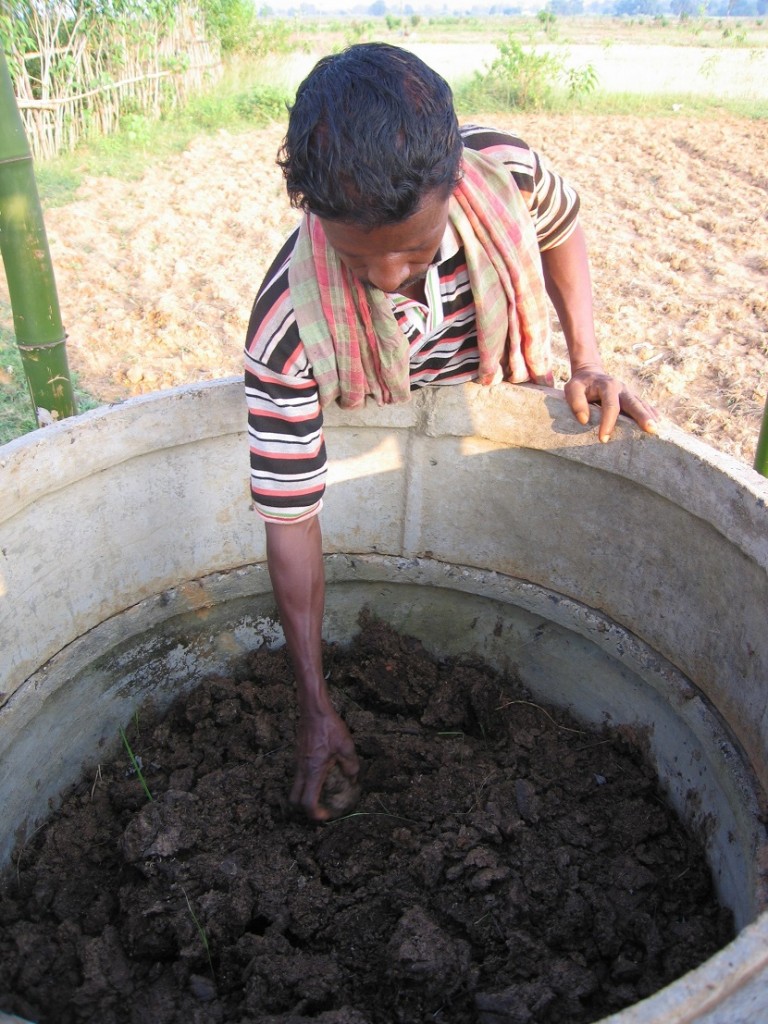
  • Completely organic cultivation.
  • Mixed cropping (For food diversity and soil fertility maintenance).
  • Millet Cultivation- Revival of traditional food cultivation.
  • Herbal medicinal gardens.
  • Bio diversity (Cultivation of -Medicinal herbs, fruit crops, timber crops, tuber crops, spices, fodder grass, vegetables, millets, cereals, leafy vegetables in the Badi).
  • Investigation into the dwindling Rabi cultivation and efforts to revive cultivation in Rabi season.
  • Reviewing previous cropping pattern/ traditional seeds varieties (paddy, millets, pulses, vegetables, tuber crop etc.)
  • Conducting traditional food mela to revive old food habits.
  • Traditional oil seeds cultivation for meeting the oil requirement of the family.
  • Adaptability trials of paddy.
  • Cultivation related traditional festivals.
  • Indigenous methods for cattle health.
  • Home
  • About Us
  • Contact
© 2015 All rights reserved by DULAL.
Powered by INFOCREATIVES