As a follow–up action of the Food Sovereignty study in 6 blocks of Mayurbhanj conducted by Dulal through association with INAG in 2004, Dulal is working on developing a regional plan to address the issue of Food Sovereignty and generate sensitization on the issue at local and State level in Orissa. (Sensitization of Farmers and concerned Government departments) As an outcome of this effort, farmers from all working areas conducted a study on the Mayurbhanj cropping pattern (2007) to identify the diverse food habit and cultivation pattern in the District.


Investigation into Traditional cropping pattern of Mayurbhanj for reviving diminishing food security
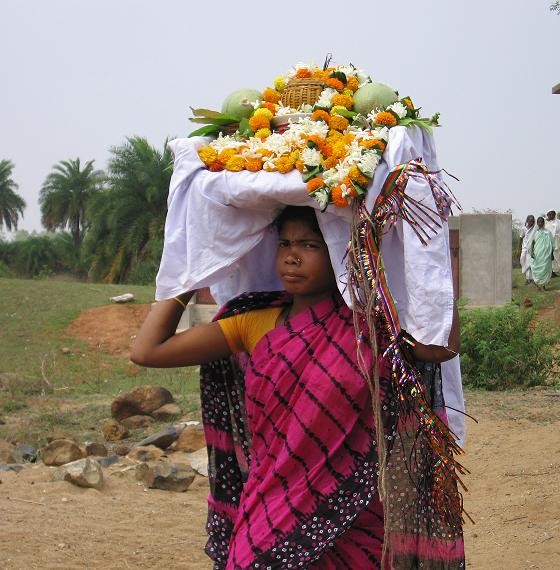
Traditional seeds and biodiversity sensitization rally and exhibition
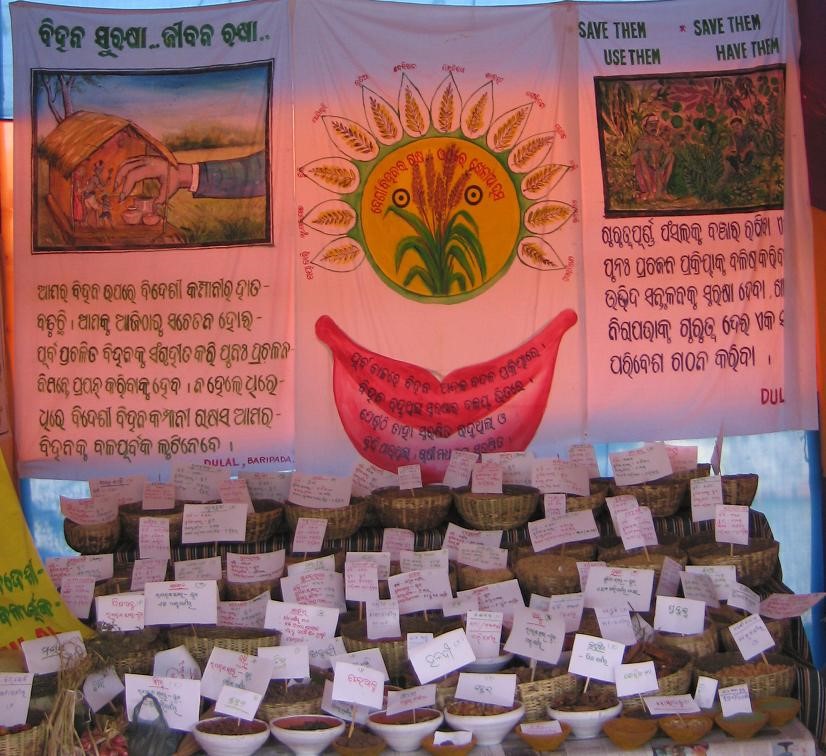
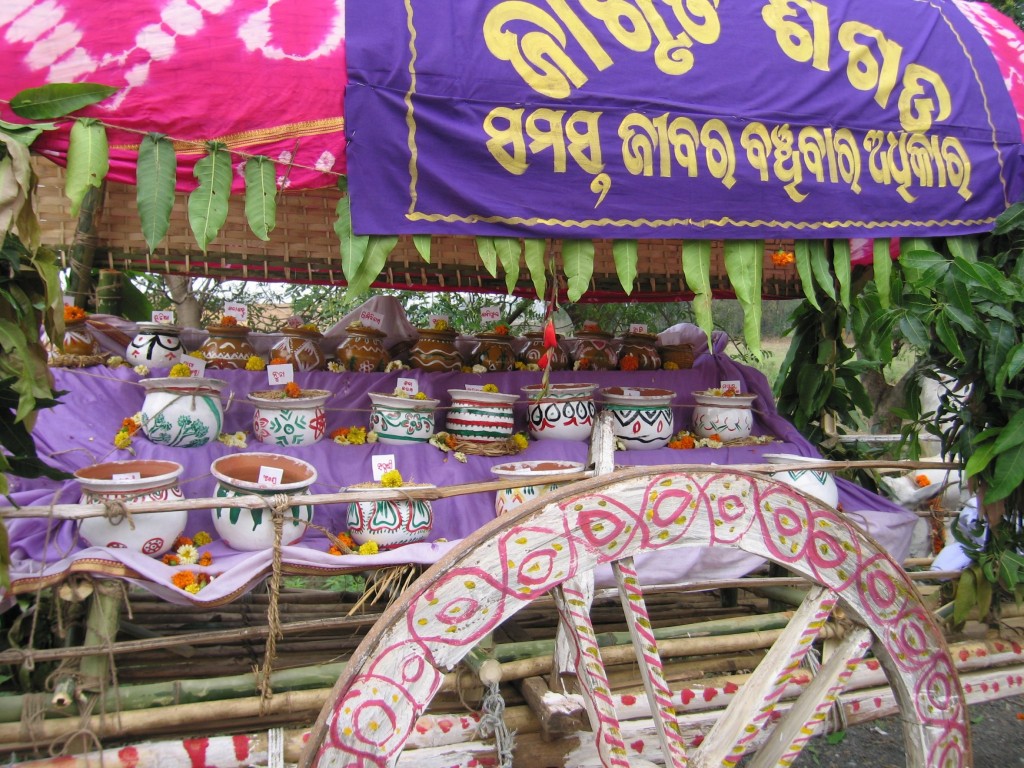
A rally and exhibition on traditional paddy seeds and other diverse food products in the area was done in the Annual Meet in March’07 and ‘08 where more than 1500 people participated and passed through non working villages were discussions and sensitization slogans were shouted regarding advantages of traditional seeds and organic cultivation and other indigenous agriculture methods.
More than 90 varieties of seeds were displayed in the traditional paddy seeds stall. These seeds were also exchanged among farmers. The quality of each variety was explained to interested people so that they can try cultivating the varieties.
The local biodiversity/food diversity stall was set up to lay emphasis on the fast disappearing bio diversity in the area due to monocropping, changes in food habits and also environmental damages. Many varieties of millets, pulses and maize from remote villages were collected and displayed. Many forest fruits, tubers and vegetables were also displayed. Many of the participants were amazed to find out how many food varieties were becoming scarce in their area.
A farmer couple from Simlipal was organized as guest (in Jagaran Utsav 2007) to the function since they had successfully kept alive the cultivation of various millet varieties. This facilitated seed exchange also. Similar rally and seed exchange was held in 2008 in Kuliana and a smaller seed exchange and seed sensitization rally and festival was held at Kusumi in Mar’08.
Issue: BT. Rice trials in India and Orissa and lobbying in this regard
BT rice trials were discretely initiated by the company Mahyco in nine states of the country and were revealed in November’06 when some farmers in Tamilnadu protested this as the trials were uninformed and conducted without the knowledge of the Panchayat. Even the farmer who had offered a plot of his farm for the trial was unaware of the seed and its consequence to the environment. The trial also did not adhere to the norm of a 25-metre distance of the GM trial fields from the local fields to prevent cross-pollination. Also these companies were not taking the measure to destroy the remains of the GM crop as is the rule by burning them and also did not take any step in preventing the seeds from entering the local market. This venture spells death for farmers and the nation and its health at large, going by the experience of BT cotton experience in Andhra and Maharashtra.
First, this sort of engineering of crops is against nature’s natural selection and adaptive mechanism. The complete effect of such crops is still unknown. But studies worldwide have shown that eating GM crops could result in suppression of immune system, stimulate excessive growth of tissues in the intestines, increase bacterial proliferation, result in tumours, and interfere in the functions of vital organs and reproduction.
Second, and the most deadly alarming- It could cross pollinate with local variety and contaminate the seed resource and can also get into the local consumption market. Leading to the loss of indigenous sturdy varieties!
It is alarming to note that such trials were conducted in Chattisgarh, the rice bowl of India and in states were the Basmati rice is grown.
Response: Lobbying in this regard

- An Oriya information material (in a very simple form so that farmers can understand) on ‘Bt’, how it is derived (GM) and the adverse effect it could have on humans and threat to local varieties through cross pollination was prepared to be shared in the community. The issue was shared during the monthly staff meeting and the information has been passed on to the People’s organizations in the community to ensure that people are aware of the risks involved in such trials and become vigilant to such situations in their village or nearby villages.
- Apart from this local sensitization action, we have also forwarded the dangerous situation to other NGO networks. Third step, we have written a letter to FIAN (Food first Information and Action Network) an international human rights organization for the right to feed oneself, to bring the issue to their notice and INAG (Indian National Network of Action Groups) which also works to safeguard the interest of the marginalized communities and works on issues affecting them and thus the nation on a larger perspective.
- We have also taken part in an online signature campaign against trials of genetically modified varieties in India, which was sent to the Prime Minister of India. The information was circulated to numerous other individuals and heads of institutions. (Schools, NABARD, Human resource training centers, Horticulture department, Agriculture department).
- A detailed Oriya leaflet informing on GM and the ulterior motives of seed and fertilizer companies like Mahyco was prepared and shared in the Annual SHG meet at Kuliana in March’07 where villagers from different blocks of Mayurbhanj got together. There were posters in local language and with pictures that showed the ‘noose’ seed companies tie around the neck of farmers and also posters sensitizing on the loss of traditional diverse seed varieties that contributed to the food security of the area.
- Protest rally against GM crops in New Delhi-May’08: Three farmers from Dulal working villages attended the central level protest against GM crops which was held in New Delhi. Centre for Sustainable Agriculture organized this protest rally which began from Jantar Mantar and led upto the Parliament House. There were 200 farmers from Rajasthan, 250 farmers from Tamil Nadu, 50 farmers from Karnataka, 25 farmers from Kerala, 300 farmers from Andhra Pradesh, 35 farmers from Orissa and 10 farmers from west Bengal.
Issue: Tribal land law amendment and lobbying in this regard
There were efforts to amend the tribal land transfer law by Sept’06 and this has been averted by the cooperative efforts and sensitizations of various NGOs, People’s groups and activist interventions. Some bureaucrats were making a discrete move to rope in the support of Zila Parishad to proceed with the amendment of the law. The existing law forbids the sale and purchase of tribal land by anyone outside the tribal community. The bill put forward supported that the tribals be able to sell their lands to outsiders to meet their needs like – education, health etc. All in all, the amendment ‘seemed’ to be for the good of the tribal community. A closer look revealed otherwise. Why should an Adivasi farmer sell his land when there would be enough Government schools in the locality and enough government owned land to set up higher education institutions as per the need? Is it not the Government’s duty to provide health care services to the poor? What sort of security or lifestyle will an Adivasi farmer lead if he has to sell his land to meet basic needs, he who is identical with farming and his field? This left serious space to doubt the intentions behind an action that encouraged giving-up the ultimate piece of belonging and identity of tribal communities. It would also mean making the legal issues easier for entrepreneurs eyeing the tribal belts (usually rich in minerals and natural resources) to acquire these lands. The law would actually support the investors more than it would the tribals.
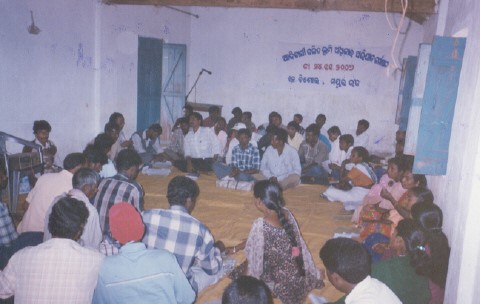
Amending the Act would have meant the jeopardizing of lands of the minority tribal communities. The copies of the bill for the amendment of the Act were circulated in the working villages of Dulal for the sensitization of the people. Signature campaigns from the ward members, Sarpanch were taken and over a 1000 signatures were collected and mailed to the Governor of Orissa protesting the amendment of the Act.
Dulal also joined in the State level meeting of People’s organizations and NGOs from various districts in the state to protest against the amendment of the tribal land law. NGO Kirditi of Keonjhar District organized the meet in Nov’06.